
Precision Dental Hub’s
Bleeding Gums Treatment
Bleeding gums, also known as gingival bleeding, is a common oral health issue that occurs when the gums around the teeth bleed during brushing or flossing. It is often an early sign of gum disease, also known as periodontal disease, which is a bacterial infection that affects the tissues and bones that support the teeth. If left untreated, gum disease can lead to tooth loss and other serious health issues.

Connect On
Book An
Appointment
Schedule A
Video Call
Connect On
Book An
Appointment
Schedule A
Video Call
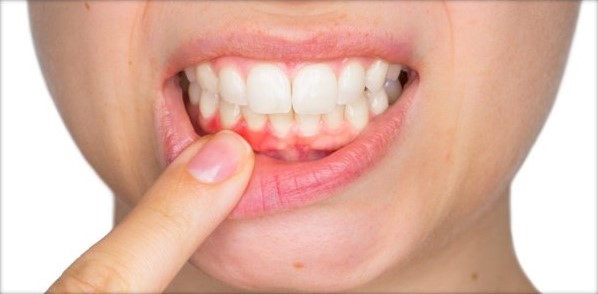
THE SYMPTOMS
Blood on toothbrush or dental floss after brushing or flossing
Receding gums (gums that appear to be pulling away from the teeth)
Swollen, red, or tender gums
Persistent bad breath
Changes in the way teeth fit together when biting
Loose teeth
THE CAUSES
This list may not be exhaustive. There are other additional causes for bleeding gums like age factor, dry mouth, poor nutrition, dental restorations, medication, etc.
POOR ORAL HYGIENE
Plaque, a sticky film of bacteria, can build up on the teeth if they are not brushed and flossed properly. This can lead to gum irritation and bleeding.
VITAMIN DEFICIENCY
A deficiency in vitamin C or other nutrients can weaken the gums and make them more prone to bleeding.
PRESCRIPTION MEDICATIONS
Some medications, such as blood thinners and chemotherapy drugs, can cause the gums to bleed.
HORMONES
Hormonal fluctuations, such as those that occur during pregnancy or menopause, can cause the gums to become more sensitive and prone to bleeding.
THE CONSEQUENCES?
Toothache
Bleeding gums can be very painful and uncomfortable
Knock Out
In severe cases, the tooth can be completely dislodged from the bone and fall out
Bad Breath
Swollen gums can cause bad breath, resulting in social anxiety and loss of self-confidence
Other Health Issues
If not treated on time, swollen gums may lead to other serious health concerns including heart disease, stroke, lung disease and diabetes
THE SOLUTION
To prevent bleeding gums and gum disease, it is important to practice good oral hygiene, including brushing and flossing regularly and visiting the dentist for regular cleanings and check-ups. If you are experiencing bleeding gums, it is important to see a dentist or dental hygienist as soon as possible to determine the cause and receive treatment. Treatment may include a professional cleaning to remove plaque and tartar, medication to control infection, and/or surgery to repair damaged tissue.
In summary, bleeding gums are a common oral health issue that can be a sign of gum disease. Good oral hygiene, including regular brushing, flossing, and visits to the dentist, can help prevent bleeding gums and gum disease. If you are experiencing bleeding gums, it is important to see a dental professional to determine the cause and receive appropriate treatment.
Contact us!
Schedule Your Appointment Now.
At Precision Dental Hub, we primarily focus on fixing the root cause of your dental issues. Visit us today!